
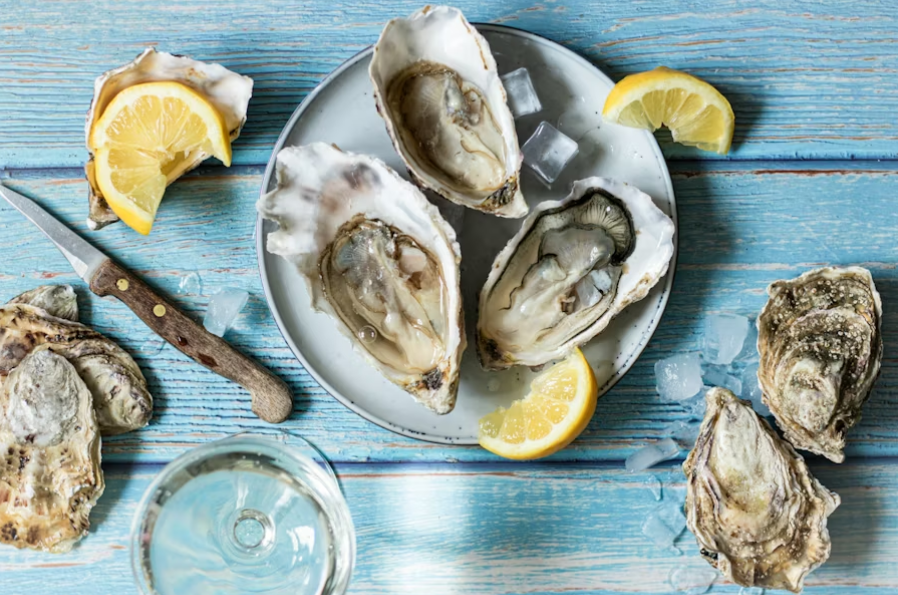
Close your eyes and imagine the world before time was written down — long before cities, before empires, before recorded calendars. Beneath the rolling tides, something remarkable was already taking shape: the oyster. These unassuming bivalves have been quietly shaping ecosystems, nourishing civilizations, and defining the palate of explorers for millennia. Today, when you see oysters for sale at Seafood Factory Outlet, a seafood market, you’re holding a piece of that ancient heritage.
But the story of the oyster is more than food — it’s a narrative of human ambition, cultural evolution, and the surprising way history flows in cycles, like the tides themselves.
Ancient Legends and Coastal Wisdom
Oysters are among the oldest edible beings on the planet. At archaeological sites around the Mediterranean and Southeast Asia, piles of oyster shells — called middens — have been unearthed, some dating back 10,000 years. These shell heaps aren’t just trash; they are the first “eco‑archives,” telling historians that ancient peoples heavily relied on oysters as a dietary cornerstone long before farming or settled agriculture.
In China, oysters were revered as symbols of purity and strength; in Celtic lore, they were seen as gifts from sea gods. The Romans elevated oysters to near‑mythic status — Pliny the Elder wrote about oyster feasts that could last days, recounting elite gatherings where oysters were transported fresh from coastal beds to inland villas in specially designed containers, a testament to both luxury and logistical ingenuity.
From “Cheap Seafood” to Culinary Treasure
Fast forward to colonial America, and the oyster again becomes a symbol of abundance. On the eastern seaboard, oyster banks near what is now New York and Chesapeake Bay were so packed that Native Americans and early settlers harvested them by the basket. At this time, oysters were considered cheap seafood, so plentiful they were sold for pennies on the street, served at inns for breakfast, or pickled and eaten by farmers and dockworkers alike.
But as demand grew and beds were overfished, scarcity transformed oysters’ value. What once fed the masses became a prized item on elite tables — a shift that foreshadowed the modern culinary scene where oysters balance between rustic delight and high‑end delicacy.
The Golden Age of Oyster Bars
By the 19th century, oysters had become the it food of growing port cities. Urban centers such as New York, London, and Paris spawned oyster bars where a shuck and a sip of wine was as common as coffee at dawn. These establishments were the original social networks — places where sailors, writers, and thinkers gathered, swapping ideas between plates of brine‑kissed oysters and bowls of hearty oyster stew.
Literature of the era reflects this obsession. Charles Dickens, in The Pickwick Papers, immortalised the oyster supper club. Across the Atlantic, oyster festivals became seasonal celebrations of harvest and community.
Modern Revival: Sustainable Seas and Seafood Innovation
Today, oysters are experiencing a renaissance of respect. With restoration efforts and smart aquaculture, oyster beds are being revived — and with them, coastal ecosystems flourish. Oysters filter water, create habitats for squid and clams, and are integral to shoreline health.
At the same time, today’s seafood lovers have access like never before. Whether you browse a seafood market in your city or shop seafood online at a trusted seafood outlet, options abound — from oysters for sale to crisp frozen fish fillets and curated frozen seafood bulk packs that make ocean‑fresh meals easy at home.
And for those mindful of budget without sacrificing quality, “cheap seafood” doesn’t mean compromise — it means smart choices like combining affordable frozen options with occasional luxuries like oysters to create seafood platters for sale worthy of any gathering.
Oysters and the Human Imagination
What makes oysters truly breathtaking is not just their flavour — briny, fresh, and whispering of the tide — but the way they connect us to our past. Eating an oyster is, in a way, an act of time travel: you’re tasting the same essence that ancient peoples savoured thousands of years ago. Each shell, layered over time, is a geological diary of the sea.
Seafood Factory Outlet celebrates this legacy by offering access to both classic favorites like oysters and practical, modern options like frozen seafood bulk — enabling home cooks to explore culinary history without leaving their kitchen.
Final Thoughts
Oysters are more than a delicacy. They are symbols of resilience, history, and the ever‑shifting tides of culture and cuisine. From ancient middens to modern markets, from “cheap seafood” to high‑end celebration, oysters teach us that food isn’t just sustenance — it’s a story written by nature and interpreted by humans.
So next time you savor oysters for sale from a seafood market or add them to a seafood platter for sale, remember: you’re participating in an unbroken chain of taste, tradition, and wonder that stretches back through time.